


A) Importance of Palletization
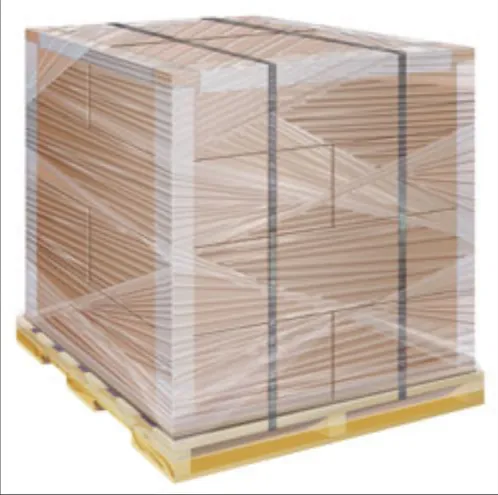
Palletizing is the logistical process of stacking and securing individual cartons, bags, or drums onto a flat structure called a pallet (usually made of wood or plastic). This creates a single, consolidated “unit load” that can be easily moved by machines like forklifts and pallet jacks.
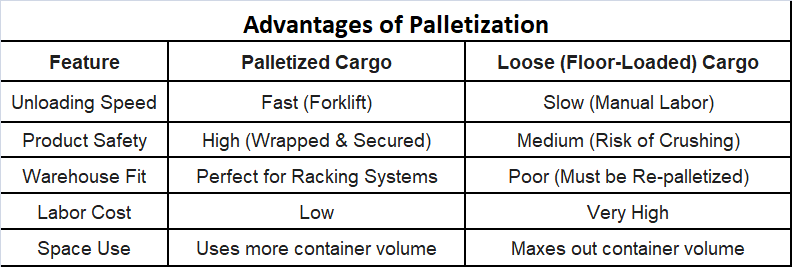
While it may seem like an extra step at the factory, developed countries (like the US, UK, Germany, and UAE) almost universally prefer—and often mandate—palletized cargo for four critical reasons:
1. Automation & Modern Infrastructure
In developed economies, logistics is driven by high-tech warehousing.
- Compatibility: Modern distribution centers use Automated Storage and Retrieval Systems (ASRS). These robots and conveyor belts are designed to recognize and move standard pallet sizes (like the EUR-pallet or ISO-pallet).
- Vertical Storage: Developed countries maximize warehouse space by stacking goods vertically in high-bay racks. This is only possible if goods are on stable, stackable pallets.
2. High Labor Costs & Efficiency
In countries where labor is expensive, “hand-loading” (moving boxes one by one) is a financial disaster.
- The 45-Minute Rule: A forklift operator can unload a palletized 20ft container in about 45 minutes. Unloading the same container by hand would take a team of workers 3 to 4 hours.
- Turnaround Time: Ports and warehouses in developed nations charge heavy fees for every minute a truck sits at the dock. Faster unloading means lower operational costs.
3. Workplace Safety & Liability
Developed countries have strict Occupational Health and Safety (OHS) laws.
- Injury Prevention: Manual lifting of heavy boxes leads to back injuries and repetitive strain. By palletizing, the heavy lifting is done by machines, reducing the risk of expensive workplace injury lawsuits and insurance claims.
- Worker Comfort: It is much easier to recruit and retain staff for a warehouse where machines do the heavy lifting.
4. Supply Chain Visibility (Tracking)
- Unit ID: Instead of tracking 500 individual boxes, a company only needs to track one pallet ID.
- Digital Integration: Each pallet is usually barcoded or fitted with an RFID tag. As the pallet passes through scanners in Europe or the US, the system automatically updates the inventory, providing real-time data to the buyer.
B) Importance of ISPM-15 on the Pallets
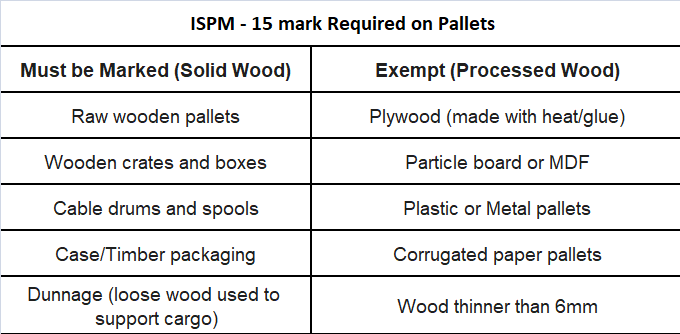
If you are exporting to a developed country using wooden pallets, they must be heat-treated and stamped with the ISPM-15 mark.
ISPM – 15 is International Standards for Phytosanitary Measures No. 15
What does the ISPM-15 Mark look like?
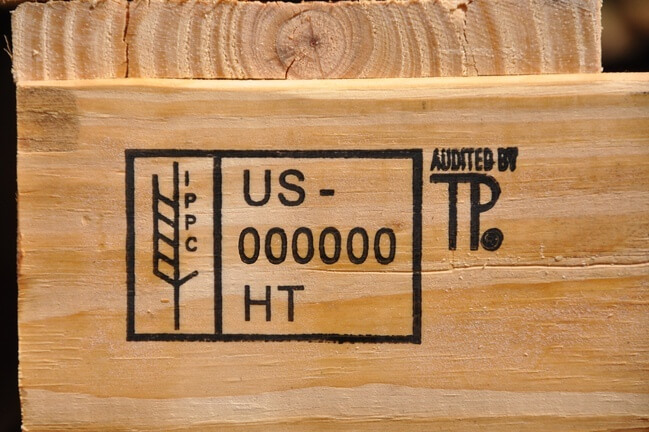
The mark is typically branded or stamped onto the wood and contains four specific pieces of information:
- IPPC Logo: A stylized wheat stalk symbol.
- Country Code: A two-letter ISO code (e.g., IN for India, US for USA).
- Producer/Treatment Provider Code: A unique number assigned by the national government to the facility that treated the wood.
- Treatment Code:
- HT (Heat Treatment): Wood heated to a core temperature of 56°C for 30 minutes.
- MB (Methyl Bromide): Wood fumigated with a specific chemical gas.
- DH (Dielectric Heating): Using microwaves or radio waves to heat the wood.
Why is ISPM-15 important?
In 2026, most developed and developing nations (including the US, EU, China, and Australia) strictly enforce ISPM-15.
- Customs Rejection: If your cargo arrives on a wooden pallet without this stamp, Customs can reject the entire shipment, order it to be destroyed, or force you to ship it back to India at your own expense.
- Preventing Invasive Species: Pests like the Asian Longhorned Beetle can hide inside raw wood. ISPM-15 ensures these insects are killed before they can enter a new country and destroy local forests.
Legal Liability: In India, the Directorate of Plant Protection, Quarantine & Storage (DPPQ&S) oversees this. Using a “fake” stamp or failing to treat wood can lead to your export license being blacklisted.
What material of Pallets is requires ISPM – 15 mark?
Summary:
If your pallets are not certified, the customs authorities in countries like the US or Australia may reject your entire shipment or order it to be destroyed at your expense to prevent the spread of timber pests.
If you are buying pallets from local vendors, always ask for the Treatment Certificate along with the stamp.