In international logistics and global trade, Full Container Load (FCL) shipping is one of the most secure and cost-effective freight solutions for businesses moving large volumes of cargo. However, simply filling a container is not enough. Proper FCL container stuffing ensures cargo safety, maximizes container space utilization, reduces transport damage, improves operational efficiency, and helps shippers follow recognized cargo-packing guidance and meet applicable shipping requirementsh.
This guide explains how to stuff an FCL container correctly, covering planning, cargo placement, weight distribution, securing techniques, and best practices for successful container transportation.
What is FCL Container Stuffing?
FCL container stuffing is the process of loading cargo into a dedicated shipping container used exclusively by a single shipper. The objective is to optimize container capacity while ensuring cargo remains secure throughout road, rail, port, and ocean transportation.
Effective container stuffing helps reduce freight costs, minimize cargo movement, and improve supply chain efficiency.
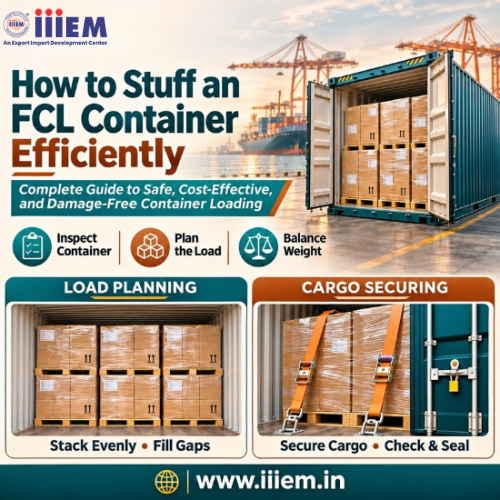
Knowing how to stuff an FCL container efficiently starts with a loading plan that accounts for cargo dimensions, weight, and stackability. Distributing weight evenly and securing the cargo before sealing the doors helps you make better use of container space and reduce the risk of damage in transit.
Step-by-Step Process to Stuff an FCL Container
- Inspect the Shipping Container
Before loading begins, conduct a thorough container inspection.
Check for:
- Structural damage
- Holes, cracks, or leaks
- Rust or corrosion
- Cleanliness and odor
- Functionality of container doors and locking systems
A damaged container can lead to cargo loss, contamination, and shipment delays.
- Create a Container Loading Plan
A well-designed loading plan is essential for efficient FCL container stuffing.
The loading plan should consider:
- Cargo dimensions
- Cargo weight
- Snackability
- Fragility
- Delivery sequence
- Container type
Strategic planning improves space utilization and reduces loading time.
- Distribute Weight Evenly
Proper weight distribution is one of the most important aspects of container loading.
Best practices include:
- Place heavy cargo at the bottom.
- Position heavier goods near the container floor and center.
- Balance weight between the left and right sides.
- Avoid concentrating weight at one end.
Balanced loading prevents container instability during transportation and handling.
- Load Cargo Systematically
Cargo should be loaded according to a predefined sequence.
Recommended approach:
- Load heavy cargo first.
- Place medium-weight cargo next.
- Load lighter and fragile cargo on top.
- Maintain compact loading patterns.
- Minimize empty spaces wherever possible.
Systematic loading maximizes container capacity and protects cargo integrity.
- Secure the Cargo Properly
Even well-loaded containers require cargo securing measures.
Use:
- Lashing straps
- Dunnage bags
- Wooden blocking and bracing
- Anti-slip mats
- Corner protectors
Proper cargo securing prevents shifting, tipping, or crushing during transit, especially during rough sea conditions.
- Maintain Load Stability
Load stability is critical throughout the international shipping journey.
To ensure stability:
- Avoid uneven stacking.
- Do not exceed stacking limits.
- Keep the centre of gravity low.
- Fill empty gaps with suitable dunnage material.
Stable cargo reduces the risk of damage and improves transportation safety.
- Follow Container Capacity Limits
Every container has specified payload and weight restrictions.
SOLAS Verified Gross Mass (VGM) requirements
Shippers should always verify:
- Maximum payload capacity
- Gross container weight
- Cargo weight distribution
- Destination country regulations
Overloading can result in penalties, shipment delays, and safety hazards.
Common Mistakes to Avoid During FCL Container Stuffing
Many cargo damage incidents occur due to improper container loading.
Avoid these mistakes:
- Uneven weight distribution
- Overloading the container
- Inadequate cargo securing
- Ignoring fragile cargo requirements
- Leaving excessive empty spaces
- Failing to inspect the container before loading
Eliminating these errors improves shipment safety and operational efficiency.
Benefits of Proper FCL Container Stuffing
Businesses that follow container loading best practices gain several advantages:
- Reduced cargo damage
- Higher container utilization
- Lower logistics costs
- Improved transportation safety
- Better supply chain performance
- Enhanced customer satisfaction
- Compliance with international shipping regulations
Effective FCL container stuffing contributes directly to successful global trade operations.
Conclusion
Knowing how to stuff an FCL container correctly is essential for achieving safe, efficient, and cost-effective international shipping. From container inspection and weight distribution to cargo securing and load stability, every stage plays a critical role in protecting goods throughout the supply chain.
By following proven FCL container loading best practices, businesses can maximize container capacity, minimize cargo damage, reduce transportation risks, and ensure smooth movement of goods across global markets.
Frequently Asked Questions (FAQs)
- What is FCL container stuffing?
FCL container stuffing is the process of loading cargo into a shipping container dedicated to a single shipper while ensuring proper space utilization, cargo safety, and regulatory compliance.
- Why is weight distribution important in an FCL container?
Proper weight distribution improves container stability, prevents cargo shifting, reduces transportation risks, and ensures safer handling during transit.
- What materials are used to secure cargo inside an FCL container?
Common securing materials include lashing straps, dunnage bags, anti-slip mats, wooden blocking, bracing systems, and corner protectors.
- How can shippers maximize container space utilization?
Shippers can maximize space by creating a loading plan, stacking cargo strategically, eliminating empty spaces, and loading according to weight and dimensions.
- What are the risks of improper FCL container stuffing?
Improper stuffing can cause cargo damage, shipment delays, container instability, regulatory penalties, increased logistics costs, and customer dissatisfaction.